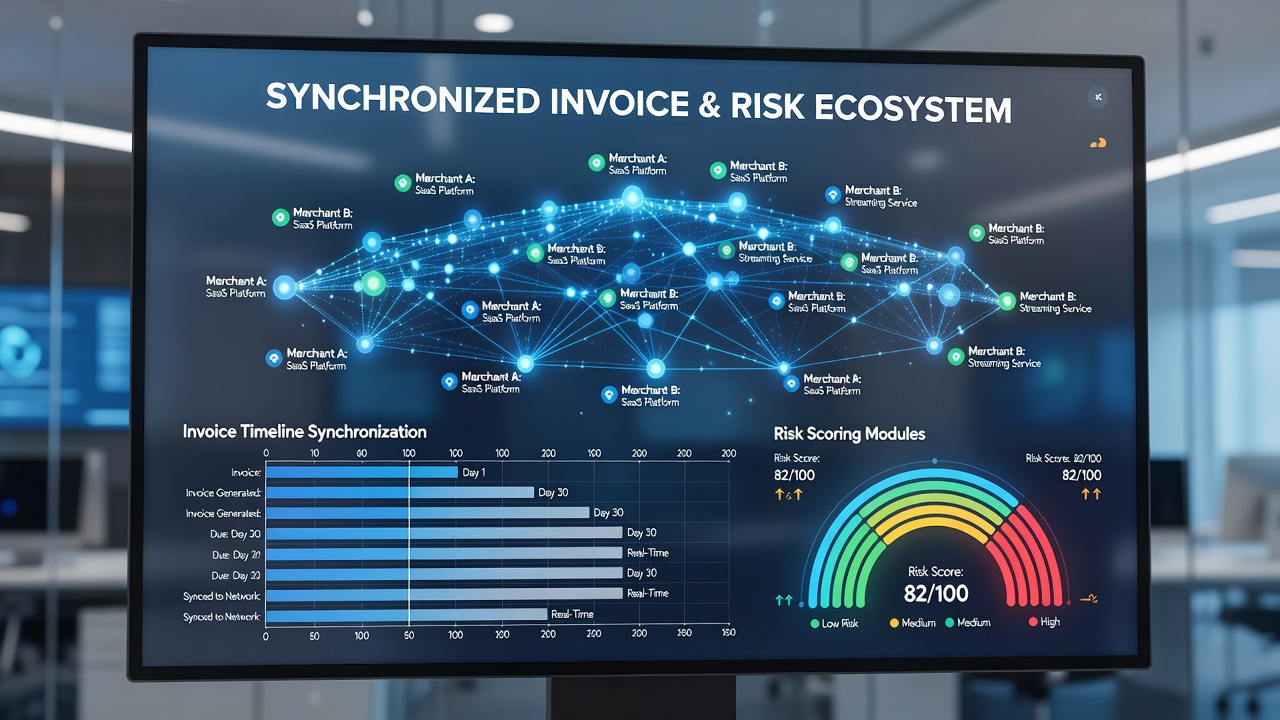
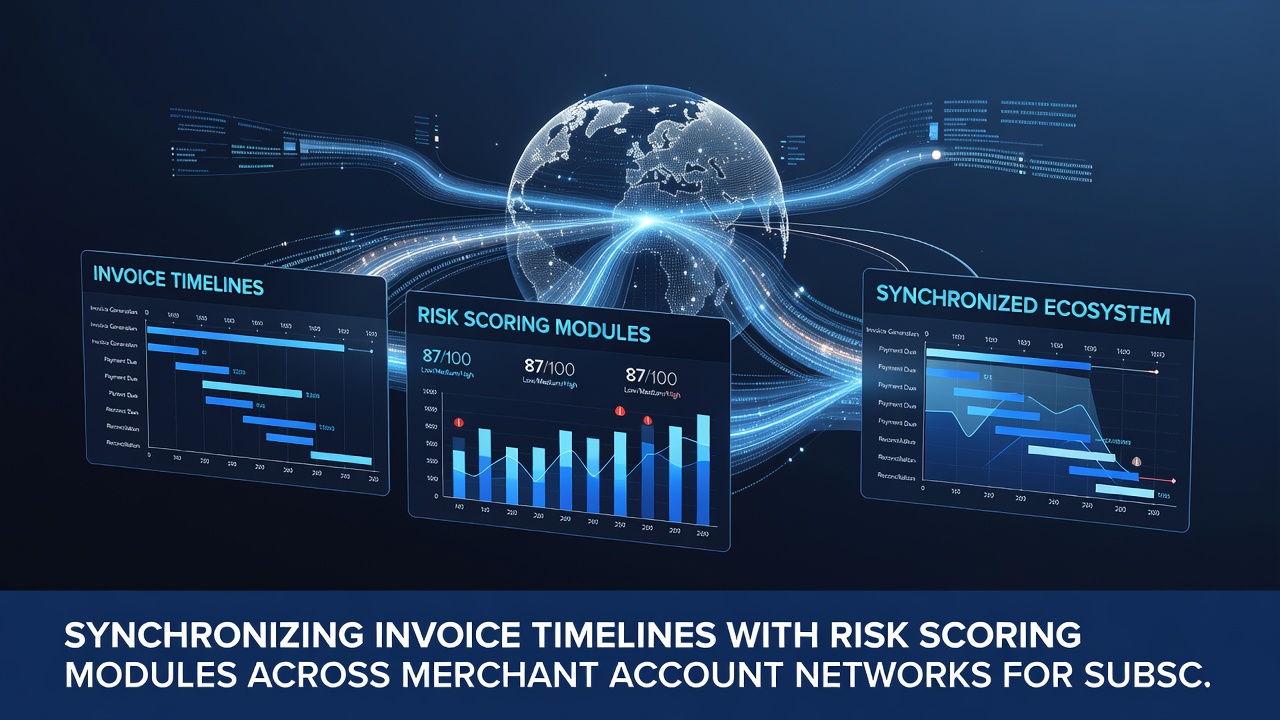
Synchronizing Invoice Timelines with Risk Scoring Modules Across Merchant Account Networks for Subscription Ecosystems
Merchant account networks handling subscription ecosystems require precise coordination between invoice generation schedules and risk evaluation processes, and this coordination relies on shared data protocols that update across multiple acquiring banks simultaneously. Systems pull transaction histories and subscriber profiles into centralized scoring engines where algorithms calculate exposure levels before each billing cycle completes, and data flows through API endpoints that enforce timeline consistency between the invoice due date and the moment risk thresholds trigger review actions.
Data Pathways in Multi-Merchant Environments
Subscription platforms distribute billing responsibilities across several merchant identifiers, which means invoice timelines must align with risk modules that operate on aggregated account activity rather than isolated records, and researchers at institutions tracking payment infrastructure note that misalignment often occurs when batch processing intervals differ between processors. Real-time synchronization tools compare invoice creation timestamps against risk score refresh rates so that adjustments to credit limits or hold periods occur before funds attempt to move, while external feeds from card networks supply updated authorization patterns that feed directly into scoring logic.
One study from the Reserve Bank of Australia examined how timestamp synchronization across acquiring systems affects subscription renewal success rates, and figures revealed that networks maintaining sub-second alignment between invoice events and risk recalculations experienced fewer processing interruptions during peak renewal periods. These findings highlight the role of standardized message formats such as ISO 20022 extensions that carry both billing schedule fields and risk metadata in the same packet.
Timeline Alignment Mechanisms
Developers configure subscription management software to reference risk scoring outputs at fixed intervals before invoice dispatch, and this pre-check window allows the system to adjust billing amounts or defer charges when scores exceed predefined parameters. Merchant networks implement event-driven triggers that propagate changes from one risk module to connected invoice engines, which ensures that a score update on a primary account automatically cascades to secondary merchant identifiers sharing the same subscriber base. Observers tracking these integrations report that message queuing services handle the volume spikes common in subscription renewals by buffering risk queries until processing capacity frees up.
Cross-Network Integration Challenges
Different acquiring banks maintain distinct risk calculation cadences, which creates friction when subscription ecosystems span multiple processors, and technical teams address this by establishing common reference clocks that all participants poll before finalizing invoice releases. Data indicates that September 2026 will bring revised interoperability guidelines from the European Payments Council aimed at standardizing risk event timestamps across cross-border merchant accounts. These guidelines specify mandatory inclusion of risk score generation times within invoice metadata packets so that downstream systems can verify alignment without additional queries.
Industry reports from Payments Canada describe middleware layers that translate between legacy batch systems and modern event streams, and such layers reduce desynchronization by converting scheduled invoice runs into on-demand risk checks triggered by subscriber status changes. Teams monitoring these setups find that audit logs capturing both invoice timestamps and corresponding risk scores provide the traceability required for compliance reviews.
Operational Impacts on Subscription Renewals
When invoice timelines remain locked to risk scoring cycles, subscription platforms record higher completion rates because holds or declines occur before customers receive billing notifications, and this sequence prevents unnecessary retries that can flag accounts in scoring models. Network operators deploy monitoring dashboards that display real-time deltas between invoice due dates and the latest risk assessment times across all linked merchant accounts. Those dashboards pull metrics from multiple sources including processor settlement files and internal scoring databases to surface discrepancies within minutes of occurrence.
Academic papers on payment system architecture emphasize the importance of idempotent message handling during synchronization, which prevents duplicate risk evaluations when the same invoice event reaches scoring modules through parallel network paths. This approach maintains consistent subscriber experiences even when one merchant account experiences temporary latency in its risk feed.
Conclusion
Effective synchronization of invoice timelines with risk scoring modules across merchant account networks supports stable operations in subscription ecosystems by ensuring that billing actions reflect current risk positions at every stage. Continued adoption of unified timestamp standards and shared data protocols reduces friction between participating institutions, and ongoing developments scheduled for 2026 will further refine these connections across regional payment infrastructures.